
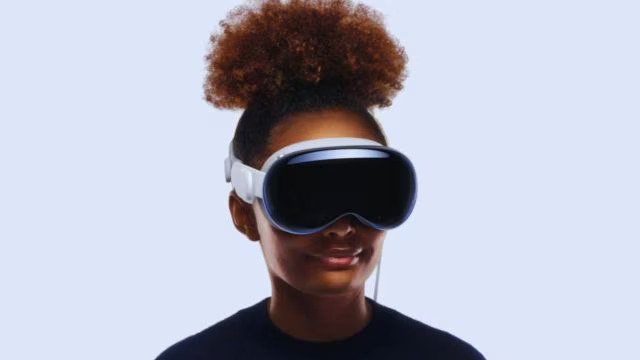
Apple is preparing to roll out the first major upgrade to its Vision Pro headset, nearly a year after its initial launch. The update aims to enhance both the performance and wearability of the mixed-reality device.
According to a Bloomberg report, the upgraded version will feature a faster M4 processor—the same chip powering the latest iPad Pro, MacBook Air, and iMac models. This marks a significant step up from the existing M2 chip, which debuted three years ago and currently powers the Vision Pro.
The upgrade will also focus on AI capabilities, with Apple reportedly testing models that have more cores in the neural engine—the component responsible for handling artificial intelligence tasks like real-time image and app processing in virtual environments. The current Vision Pro has a 16-core neural engine, but future versions could exceed that, enabling a smoother and smarter user experience.
To address one of the most common user complaints—comfort—Apple is developing a new head strap design. The revised strap aims to reduce neck strain and improve wearability, especially during extended usage. The current version of the headset includes two strap options: one that wraps around the back of the head, and another that goes over the top. While a full redesign is reportedly planned for 2027, this interim upgrade may provide a much-needed solution without a significant change in weight.
Though the Vision Pro was praised for combining virtual and augmented reality in an innovative way, it faced criticism for being bulky and expensive. Apple has only sold a few hundred thousand units so far, and its global rollout has been slow. Additionally, the device lacked exclusive apps at launch, which limited its appeal compared to Apple’s more successful product categories like the iPhone and Apple Watch.
Still, the upcoming update suggests that Apple is committed to refining the Vision Pro platform. With improvements in hardware, comfort, and AI processing, the next version of the headset could offer a more compelling experience for users—and a clearer vision for Apple’s place in the mixed-reality space.