
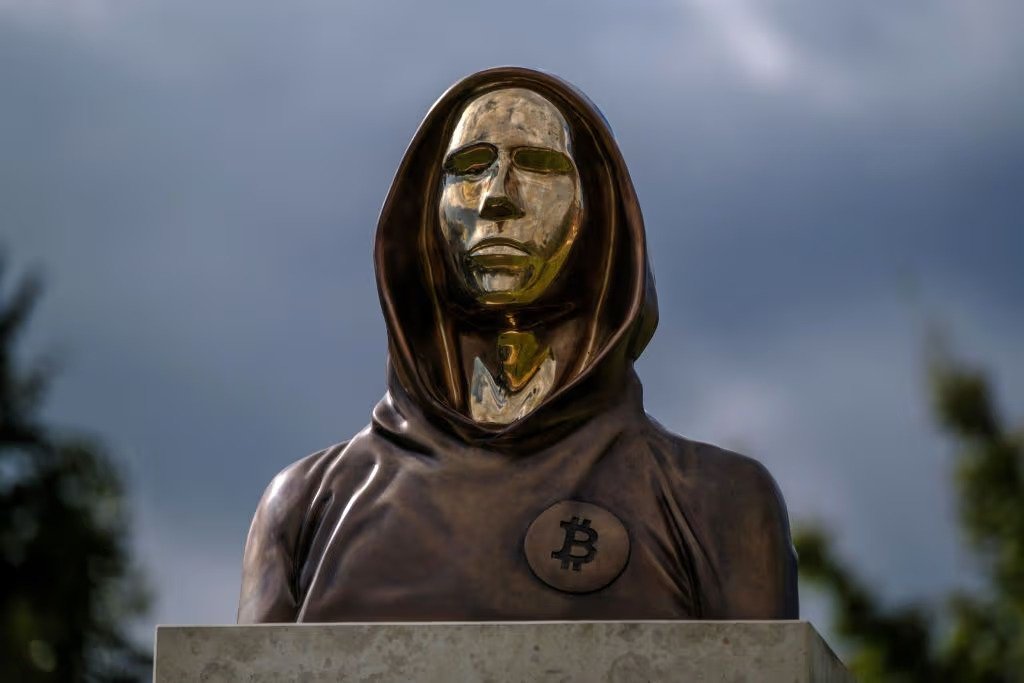
A new draft proposal is shaking up the Bitcoin community with a bold idea: freeze coins secured by outdated cryptography — including those held in the wallets of Bitcoin creator Satoshi Nakamoto — to defend against future threats posed by quantum computing.
The proposal, co-authored by Bitcoin developer and security expert Jameson Lopp and others, outlines a phased transition aimed at shifting Bitcoin’s infrastructure to quantum-resistant formats before it’s too late. The motivation? A growing concern that quantum computers capable of breaking Bitcoin’s encryption could arrive as early as 2027.
“This proposal is unlike any in Bitcoin’s history — because quantum computing is unlike any threat Bitcoin has faced before,” the authors state. “It poses a fundamental risk to Bitcoin’s cryptographic foundations.”
What’s at Risk?
At the heart of the issue are Bitcoin wallets using legacy cryptographic methods, such as ECDSA and Schnorr signatures. These include Satoshi’s early pay-to-pubkey addresses, which hold an estimated 1.1 million BTC. Researchers warn that about 25% of all Bitcoin has already exposed its public keys — making them vulnerable targets for future quantum attacks.
The Three-Phase Plan:
The draft proposal (not yet assigned a BIP number) outlines a step-by-step transition:
- Phase A: Ban sending funds to legacy cryptographic addresses, nudging users toward quantum-safe alternatives like P2QRH. (To begin 3 years after implementation of BIP-360.)
- Phase B: Invalidate all legacy cryptographic signatures at the consensus level, permanently freezing any funds in vulnerable addresses. (Scheduled 2 years after Phase A.)
- Phase C (Optional): Introduce a recovery mechanism using zero-knowledge proofs to unlock stuck funds, based on BIP-39 seed possession. This could require a hard or soft fork.
Why Act Now?
Though no quantum computer currently threatens Bitcoin’s cryptography, researchers suggest that threat levels have changed. A recent study indicated that breaking RSA encryption with quantum computers might require 20x fewer resources than previously believed — raising alarms about Bitcoin’s elliptic curve cryptography too.
In July, the sudden movement of over $8.5 billion worth of dormant “Satoshi-era” Bitcoin after 15 years raised fresh concerns about security. Some believe the transfers were motivated by the need to move funds to more secure wallets.
Lopp and his team warn of a potential “Q-Day” — a stealth event where quantum-enabled attackers quietly drain vulnerable wallets by computing private keys from exposed public keys, possibly delaying any transaction broadcasts to avoid detection.
“If Bitcoin waits until quantum computers become a visible threat, it might be too late,” the proposal warns.
Though still in draft form, the proposal represents a radical but possibly necessary shift in the Bitcoin roadmap — a preemptive strike to safeguard the network from what could be the most dangerous challenge in its history.